
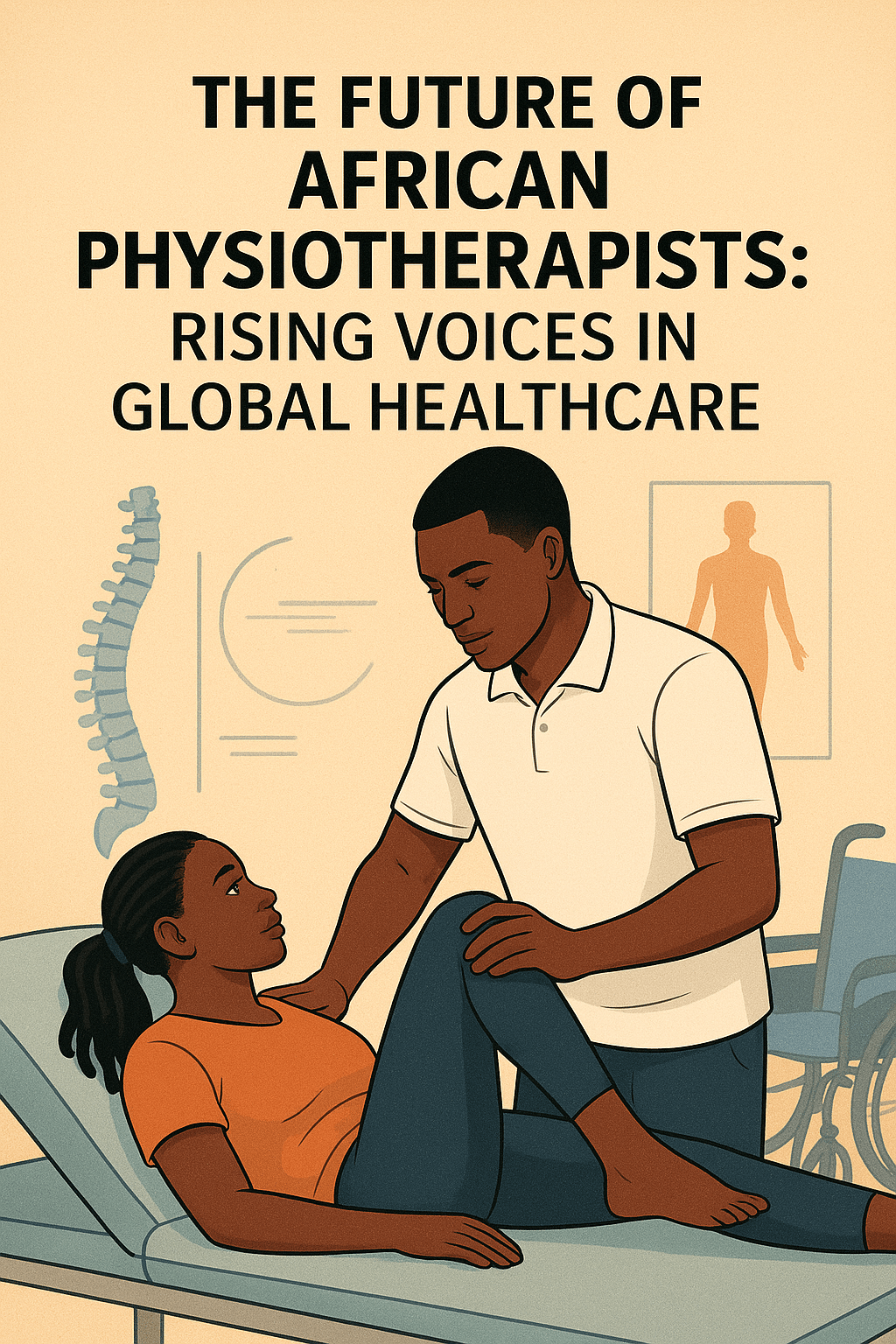

In recent years, Africa has begun to emerge not only as a region of resilience but also as a hub of rising healthcare innovation. Among the most promising fields leading this transformation is physiotherapy; a discipline that has long been underappreciated but now stands at the crossroads of medical science, technology, and human compassion. The new generation of African physiotherapists is not just treating patients; they are reshaping global rehabilitation standards, influencing policy, and redefining what holistic care means in the 21st century.
The Untapped Potential of African Physiotherapists
Africa is rich with skilled, creative, and determined physiotherapists who often thrive in challenging environments. Many practitioners have learned to innovate with limited resources, using simple tools to produce extraordinary results. This ingenuity, born of necessity, represents the continent’s greatest strength.
Across Nigeria, Kenya, Ghana, and South Africa, physiotherapists are combining clinical expertise with empathy, designing community-based rehabilitation programs, and integrating traditional healing concepts with evidence-based care. This blend of cultural insight and scientific rigor positions African professionals to make unique contributions on the global stage.
Challenges on Home Soil
Yet, the journey is not without obstacles. Many physiotherapists across Africa face systemic barriers that hinder progress.

Underfunded healthcare systems limit access to modern equipment and specialized training.
Lack of awareness among the general population reduces the perceived value of physiotherapy, confining it to sports or injury treatment instead of a vital part of preventive healthcare.
Brain drain remains a pressing issue, as skilled practitioners migrate abroad in search of better working conditions and recognition.
And most pressing of all, inconsistent policy support in education and practice regulation weakens professional unity and career development.
Despite these challenges, the profession continues to grow, driven by a sense of purpose and passion to bring healing to communities that need it most.
Education and the Growing Academic Landscape
Physiotherapy education in Africa has evolved dramatically in the past two decades. Universities in Nigeria, Egypt, South Africa, and Kenya now offer advanced degrees and specialized programs. However, many institutions still face gaps in curriculum modernization, research funding, and access to global learning platforms.

Partnerships with international organizations, such as the World Confederation for Physical Therapy (WCPT), are bridging these gaps through exchange programs, scholarships, and workshops. These collaborations expose African students to global standards and bring valuable knowledge back home, further fueling growth from within.
Opportunities Abroad: A Global Need for African Skill
Globally, the demand for physiotherapists is soaring. Aging populations, chronic diseases, and lifestyle-related conditions have created a worldwide need for rehabilitation professionals.
Countries like the United States, Canada, and the United Kingdom have opened avenues for skilled migration and J-1 or H-1B sponsorships, providing African physiotherapists with a chance to expand their horizons and gain advanced clinical exposure.
However, what makes these opportunities truly impactful is when practitioners return or contribute remotely by bringing expertise, mentorship, and global best practices to their home communities. This circular exchange of knowledge is what will truly elevate Africa’s physiotherapy landscape in the long run.
Technology and the Digital Revolution in Rehabilitation
Technology has become a game-changer in physiotherapy. The rise of tele-rehabilitation, AI-based movement tracking, and wearable sensors allows physiotherapists to assess and treat patients even in remote areas.

In Africa, this digital shift is helping to overcome geographical barriers. Virtual consultations and mobile rehabilitation apps are already transforming rural care delivery. Moreover, young physiotherapists are embracing tech-driven innovation—designing apps for exercise monitoring, pain management, and post-surgical recovery.
The integration of artificial intelligence and robotics is also on the horizon, promising precise diagnostics and data-driven treatment plans that could revolutionize patient outcomes.
The Road Ahead: A Call for Collective Action
For Africa to fully harness its physiotherapy potential, three things must happen:
1. Governments must invest in healthcare infrastructure, policy reform, and fair compensation for professionals.
2. Institutions must modernize physiotherapy education, linking it to research, digital literacy, and entrepreneurship.
3. Practitioners must collaborate, innovate, and advocate actively, thereby amplifying their voices not only within hospitals but also in public health discourse.
The African physiotherapist of the future is not just a healer of limbs but a leader of transformation; bridging culture, compassion, and cutting-edge science. From humble clinics in Lagos to advanced centers in Nairobi, the story of African physiotherapy is one of resilience and rising excellence.
The world is listening, soon, it will not just be about Africa catching up to global healthcare standards, but about the world learning from Africa’s ingenuity.

 Hellotherapy