
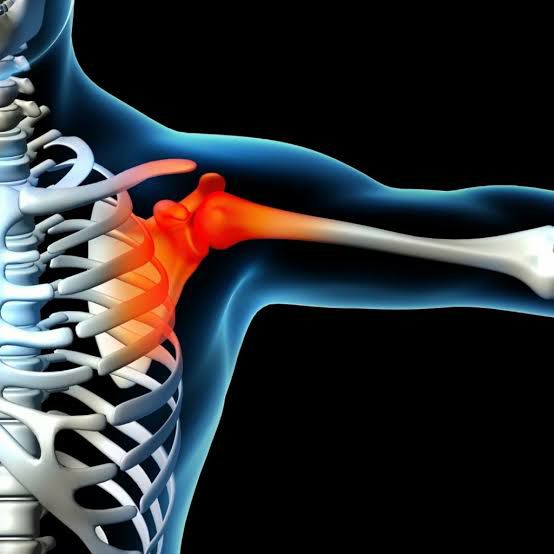
Shoulder injuries are among the most frequent musculoskeletal problems, affecting athletes, workers, and everyday individuals alike. Whether it’s from overuse, trauma, or poor mechanics, understanding the best diagnostic, preventive, and treatment approaches is key to recovery and performance.
A new statement paper commissioned by DSSF takes a deep dive into the evidence, grading the science behind common clinical practices for shoulder injury management.
Diagnosis
The review analyzed 19 clinical tests commonly used to diagnose shoulder pathologies. These include rotator cuff assessments, impingement tests, and labral evaluations. While some tests show strong diagnostic reliability, others require cautious interpretation and should be combined with imaging and clinical reasoning for accuracy.
Prevention
Prevention remains one of the most effective strategies. Evidence-based injury prevention programmes — emphasizing mobility, posture correction, and rotator cuff strengthening — have been shown to reduce the risk of shoulder problems, particularly in overhead athletes.
Treatment
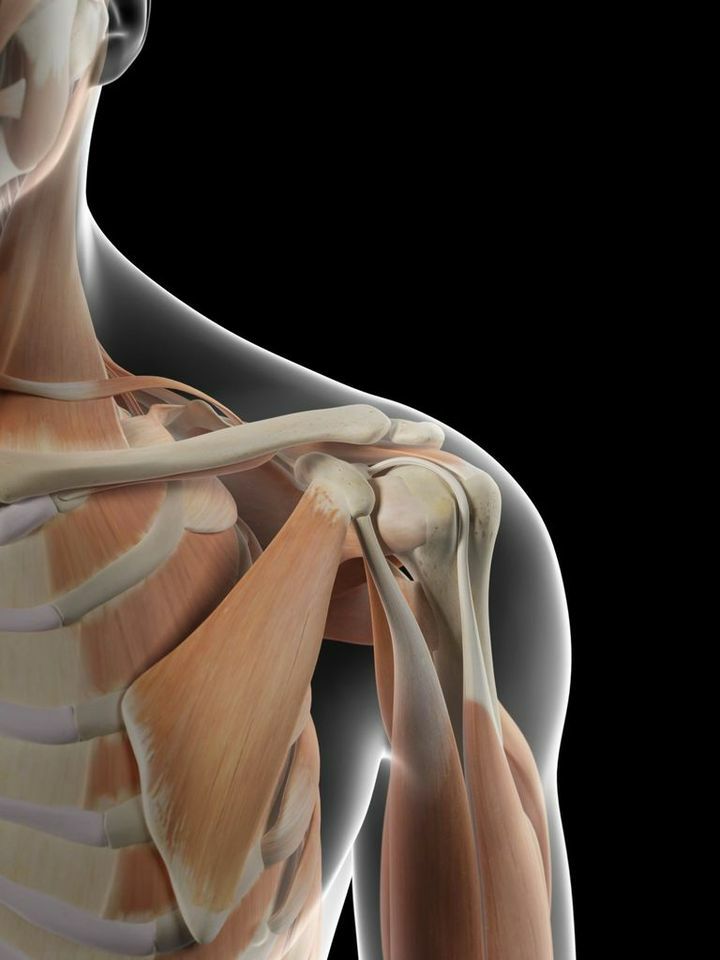
The paper also examined conservative treatment methods such as:
Stretching to improve flexibility and reduce tension
Ice packs for acute inflammation control
Strengthening exercises targeting scapular stability and rotator cuff endurance
Compression to aid swelling and recovery
Together, these modalities form the cornerstone of non-surgical rehabilitation, helping restore function and prevent recurrence.
Key Points
Combining accurate diagnosis with structured prevention and evidence-based treatment yields the best outcomes for shoulder injury management. Clinicians, coaches, and patients should rely on interventions backed by graded scientific evidence — not tradition or habit.
Read the full DSSF statement paper here: https://bjsm.bmj.com/content/57/7/408

 Hellotherapy