
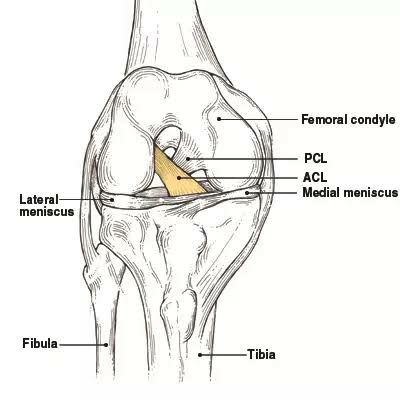
Anterior cruciate ligament (ACL) reconstruction is one of the most common orthopedic procedures in sports medicine. While surgical techniques have advanced significantly, the success of ACL reconstruction relies heavily on the quality of postoperative rehabilitation. Optimised rehabilitation aims not only to restore knee stability and function but also to reduce the risk of reinjury and support safe return to sport (van Melick et al., 2016).
1. Early Phase: Protect and Prepare
The initial 0–2 weeks after surgery are critical for laying the foundation of recovery. The focus should be on:
Pain and swelling control through cryotherapy, elevation, and compression (Adams et al., 2012).
Early range of motion (ROM) restoration, particularly achieving full knee extension to prevent arthrofibrosis (Wright et al., 2015).
Quadriceps activation, with exercises such as quadriceps setting and straight leg raises, to prevent muscle inhibition (Hart et al., 2010).
2. Progressive Loading and Strengthening
From 2–12 weeks post-surgery, progressive loading becomes the cornerstone of rehab:
Closed kinetic chain exercises (mini squats, step-ups, leg presses) reduce stress on the graft while building strength (Beynnon et al., 2005).
Neuromuscular training to restore balance, proprioception, and movement quality, reducing reinjury risk (Gokeler et al., 2013).
Gradual resistance progression, using body weight, bands, or weights, tailored to graft healing timelines (van Grinsven et al., 2010).

3. Functional Training and Movement Quality
Around 3–6 months post-surgery, emphasis shifts towards functional performance:
Sport-specific drills that mimic real movement patterns (Myer et al., 2006).
Plyometric training to improve power and landing mechanics (Sugimoto et al., 2016).
Agility and coordination training, with progressive complexity, to rebuild confidence and reactive movement ability (Arundale et al., 2018).
4. Psychological Readiness
Rehabilitation is not only physical—it is also psychological:
Fear of reinjury is a significant barrier to return to sport. Mental skills training, reassurance, and graded exposure to sport tasks can help (Ardern et al., 2013).
Goal setting and feedback maintain motivation through the long rehab journey (Ross et al., 2017).
5. Objective Criteria for Return to Sport
Instead of relying solely on timeframes, evidence suggests using objective performance measures:
Quadriceps and hamstring strength ≥ 90% of the contralateral leg.
Hop test performance ≥ 90% symmetry.
Satisfactory scores on patient-reported outcome measures (e.g., IKDC, KOOS).
Absence of pain, swelling, or instability during functional activities (Grindem et al., 2016).
6. Technology and Individualisation
Rehabilitation can be further optimised by:
Isokinetic dynamometry and force plates to objectively measure progress (Buckthorpe et al., 2019).
Wearable technology and motion analysis to assess biomechanics during dynamic tasks (Kotsifaki et al., 2022).
Individualised progression, acknowledging that recovery speed varies due to factors such as graft type, concomitant injuries, and patient age (van Melick et al., 2016).
7. Long-Term Injury Prevention
Even after return to sport, long-term strategies are essential:
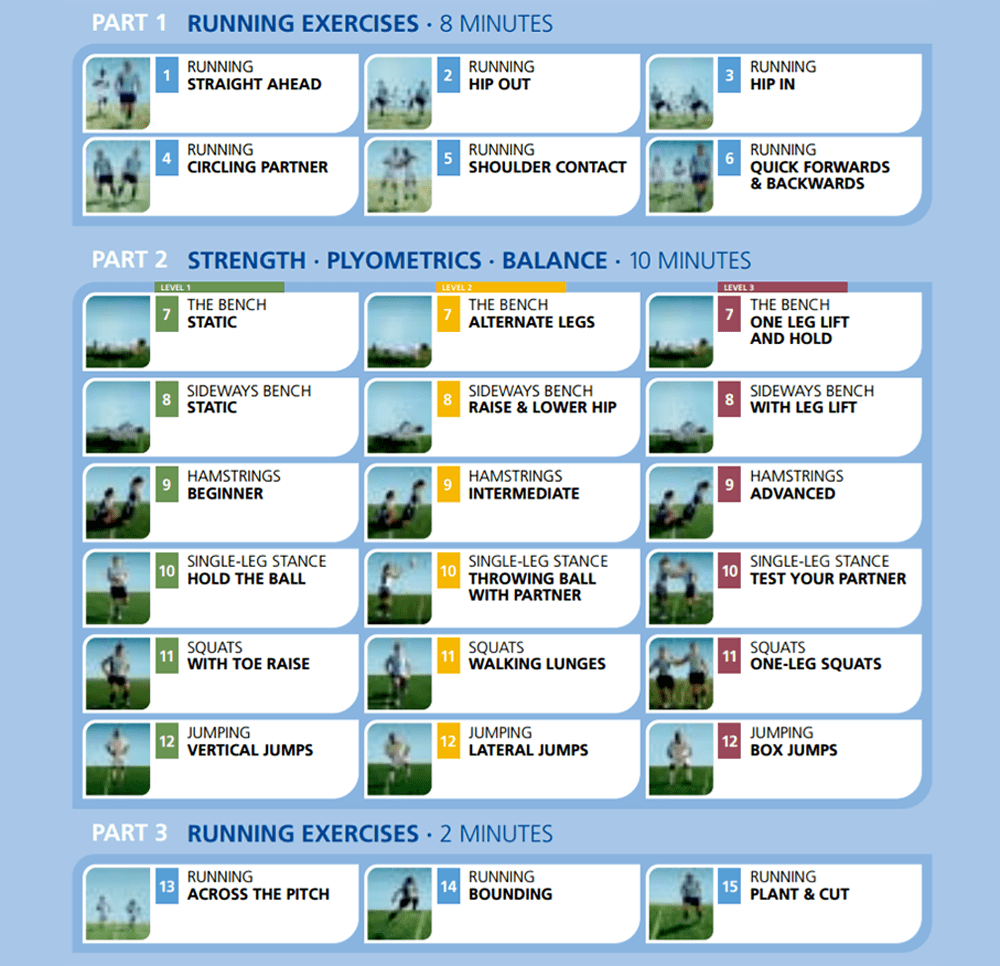
Neuromuscular training programs (e.g., FIFA 11+, PEP program) reduce risk of secondary ACL injury (Sugimoto et al., 2012).
Load management to avoid overuse during reintroduction to competition (Clanton et al., 2012).
Ongoing strength maintenance, especially of quadriceps, hamstrings, and hip musculature (Palmieri-Smith & Lepley, 2015).
Conclusion
Optimised ACL rehabilitation is a holistic, criterion-based, and patient-centered process. It integrates physical, psychological, and technological approaches, aiming not only for recovery but also for reinjury prevention and long-term performance. The most successful outcomes arise when surgeons, physiotherapists, strength coaches, and athletes collaborate closely, ensuring safe progression at every stage of recovery.
—
References
1. Adams, D., Logerstedt, D., Hunter-Giordano, A., Axe, M. J., & Snyder-Mackler, L. (2012). Current concepts for anterior cruciate ligament reconstruction: A criterion-based rehabilitation progression. Journal of Orthopaedic & Sports Physical Therapy, 42(7), 601–614.
2. Ardern, C. L., Taylor, N. F., Feller, J. A., Whitehead, T. S., & Webster, K. E. (2013). Psychological responses matter in returning to preinjury level of sport after ACL reconstruction surgery. American Journal of Sports Medicine, 41(7), 1549–1558.
3. Arundale, A. J. H., Bizzini, M., Giordano, A., Hewett, T. E., Logerstedt, D. S., & Snyder-Mackler, L. (2018). Exercise-based knee and anterior cruciate ligament injury prevention. Journal of Orthopaedic & Sports Physical Therapy, 48(9), A1–A42.
4. Beynnon, B. D., Johnson, R. J., Abate, J. A., Fleming, B. C., & Nichols, C. E. (2005). Treatment of anterior cruciate ligament injuries, part II. American Journal of Sports Medicine, 33(11), 1751–1767.
5. Buckthorpe, M., Della Villa, F., Della Villa, S., Roi, G. S. (2019). Optimising ACL rehabilitation: The critical role of quadriceps strength and progression to running. British Journal of Sports Medicine, 53(20), 1164–1174.
6. Clanton, T. O., DeLee, J. C., Sanders, B., & Neidre, A. (2012). Return to sport after ACL injury. Clinics in Sports Medicine, 31(1), 173–190.
7. Gokeler, A., Benjaminse, A., Hewett, T. E., Paterno, M. V., Ford, K. R., Otten, E., & Myer, G. D. (2013). Proprioceptive training improves neuromuscular control in ACL injury. British Journal of Sports Medicine, 47(6), 381–387.
8. Grindem, H., Snyder-Mackler, L., Moksnes, H., Engebretsen, L., & Risberg, M. A. (2016). Simple decision rules can reduce reinjury risk after ACL reconstruction. British Journal of Sports Medicine, 50(13), 804–808.
9. Hart, J. M., Pietrosimone, B., Hertel, J., & Ingersoll, C. D. (2010). Quadriceps activation following knee injuries. Journal of Athletic Training, 45(1), 87–97.
10. Kotsifaki, A., Korakakis, V., Whiteley, R., Van Rossom, S., Jonkers, I. (2022). Measuring only hop distance during single leg hop testing is insufficient to detect deficits in ACL reconstructed patients. British Journal of Sports Medicine, 56(10), 568–577.
11. Myer, G. D., Ford, K. R., Brent, J. L., & Hewett, T. E. (2006). The effects of plyometric vs. dynamic stabilization and balance training on power, balance, and landing force. Journal of Strength and Conditioning Research, 20(2), 345–353.
12. Palmieri-Smith, R. M., & Lepley, L. K. (2015). Quadriceps strength asymmetry following ACL reconstruction alters knee joint biomechanics and functional performance. Journal of Orthopaedic & Sports Physical Therapy, 45(9), 746–754.
13. Ross, C. A., Clifford, A. M., & Louw, Q. A. (2017). Patient and physiotherapist perceptions of rehabilitation following ACL reconstruction. Physiotherapy Theory and Practice, 33(4), 317–328.
14. Sugimoto, D., Myer, G. D., McKeon, J. M., & Hewett, T. E. (2012). Evaluation of the effectiveness of ACL injury prevention programs: A meta-analysis. British Journal of Sports Medicine, 46(7), 446–452.
15. Sugimoto, D., Myer, G. D., & Hewett, T. E. (2016). Specific plyometric training improves landing biomechanics in female athletes. American Journal of Sports Medicine, 44(1), 216–223.
16. van Grinsven, S., van Cingel, R. E., Holla, C. J., & van Loon, C. J. (2010). Evidence-based rehabilitation following ACL reconstruction. Knee Surgery, Sports Traumatology, Arthroscopy, 18(8), 1128–1144.
17. van Melick, N., van Cingel, R. E., Brooijmans, F., Neeter, C., van Tienen, T., Hullegie, W., & Nijhuis-van der Sanden, M. W. (2016). Evidence-based clinical practice update: Rehabilitation after ACL reconstruction. British Journal of Sports Medicine, 50(24), 1506–1515.
18. Wright, R. W., Haas, A. K., Anderson, J., Calabrese, G., Cavanaugh, J., Hewett, T. E., … & Wolf, B. R. (2015). Anterior cruciate ligament reconstruction rehabilitation: MOON guidelines. Sports Health, 7(3), 239–243.

 Hellotherapy