
Introduction
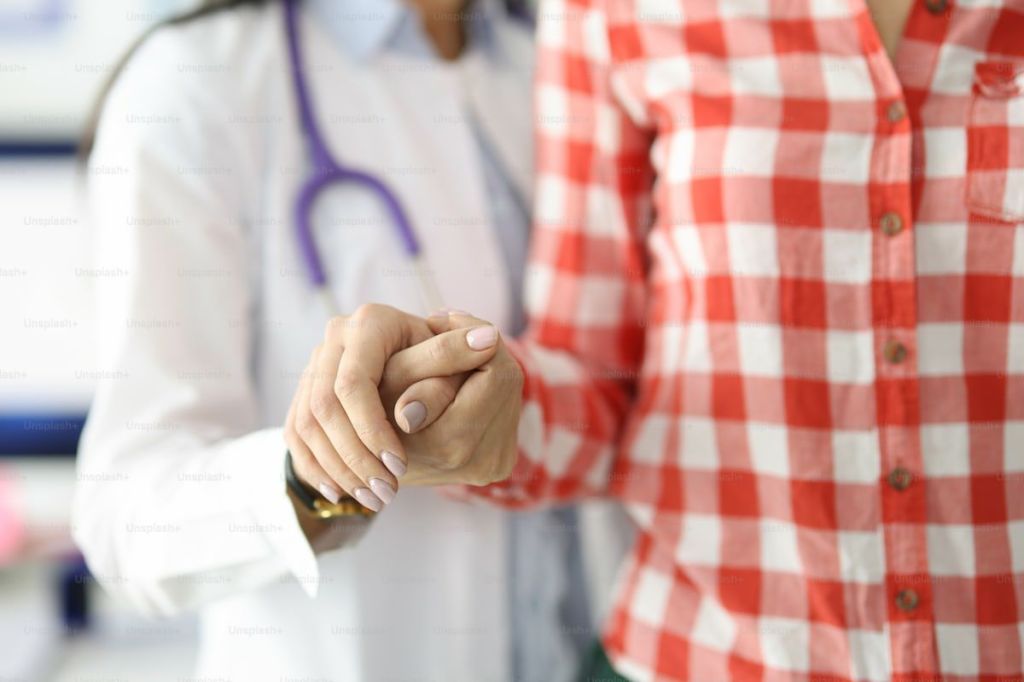
Stroke is one of the leading causes of long-term disability worldwide, and Nigeria is no exception. Every year, thousands of Nigerians experience stroke, leaving many with partial paralysis, difficulty walking, speech problems, and a sudden loss of independence. Yet, after the emergency phase of care, recovery and rehabilitation often remain a silent struggle. While hospitals may save lives during the acute stage, what happens afterward is just as critical — and sadly, this is where many Nigerian patients are left behind.
This article sheds light on the hidden burden of stroke recovery in Nigeria, the role of physiotherapy in helping survivors regain independence, and what we as a society can do to bridge the gap.
The Reality of Stroke in Nigeria
The prevalence of stroke in Nigeria is on the rise, driven by lifestyle factors such as:
Hypertension (the most common risk factor)
Diabetes and obesity
Poor dietary habits (high salt, processed foods)
Lack of regular exercise
Despite increasing awareness, many patients arrive late at hospitals after a stroke. Some families still attribute stroke to spiritual or superstitious causes, delaying medical treatment. According to health surveys, stroke is one of the top three causes of adult neurological admissions in Nigerian hospitals — yet structured rehabilitation remains inadequate.

The Silent Burden on Patients and Families
The aftermath of stroke is not just a medical condition; it is a life-altering event. Survivors often face:
Physical challenges: weakness or paralysis on one side of the body, impaired balance, muscle stiffness, and difficulty with everyday movements like standing, walking, or grasping objects.
Emotional struggles: depression and anxiety are common, especially when survivors realize they can no longer do what they once did with ease.
Speech and communication difficulties: aphasia or slurred speech makes it hard to interact with others.
Social and financial strain: many survivors lose their jobs or livelihoods, while families take on the cost of long-term care.
For caregivers — usually spouses, children, or relatives — the burden is heavy. With little training or support, they often struggle to help their loved ones with daily activities such as bathing, feeding, or moving around. Over time, this can lead to caregiver burnout.
The Role of Physiotherapy in Stroke Recovery
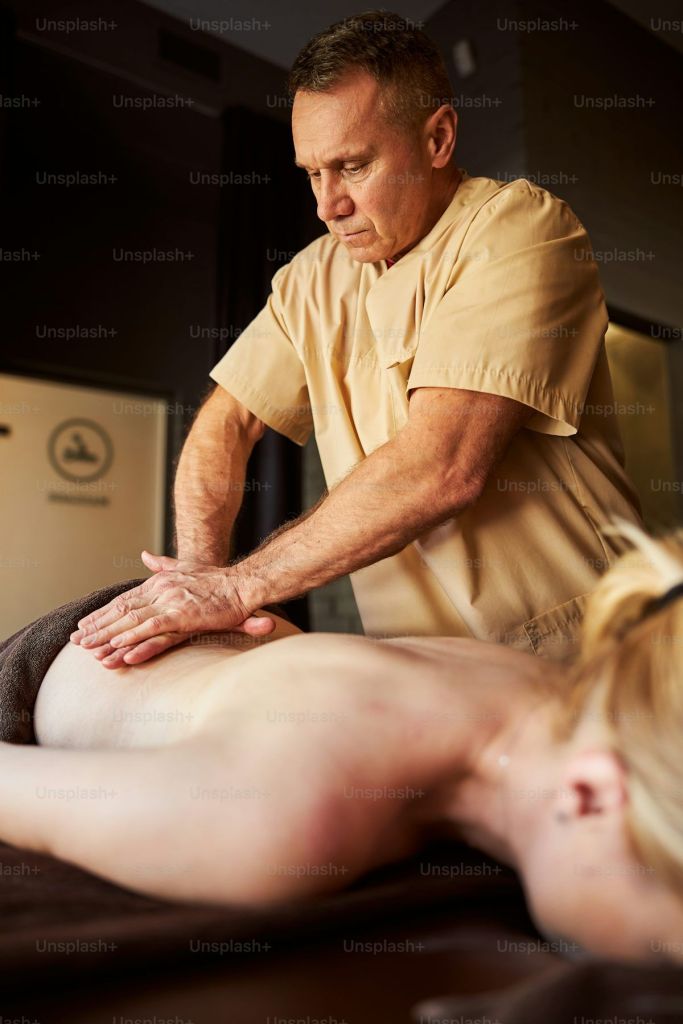
Physiotherapy plays a vital role in restoring function and independence after stroke. While medications address underlying causes, rehabilitation focuses on helping patients regain control of their bodies. Early physiotherapy intervention — ideally starting within days of a stroke — significantly improves outcomes.
Some key aspects include:
1. Gait Training
Helping patients relearn how to walk using guided exercises, parallel bars, and walking aids.
2. Strengthening and Flexibility Exercises
Improving muscle strength, reducing stiffness, and preventing contractures.
3. Balance and Coordination Training
Reducing fall risk by teaching patients how to control body posture and improve stability.
4. Functional Independence Training
Assisting patients to perform daily activities (e.g., dressing, eating, moving from bed to chair).
5. Use of Simple Devices
Tools such as walking frames, resistance bands, and therapy balls can accelerate recovery.
Case Example:
A 62-year-old man in Delta State suffered a stroke that left his right side weak. With consistent physiotherapy three times a week — including gait training, balance exercises, and home-based mobility routines — he regained the ability to walk with a cane within six months. Without therapy, he likely would have remained wheelchair-bound.
Barriers to Recovery in Nigeria
Despite its importance, stroke rehabilitation in Nigeria faces major challenges:
Limited Access: Few hospitals have dedicated stroke rehabilitation units. Rural communities often have no physiotherapy services at all.
High Cost: Sessions, devices, and medications are expensive, making long-term therapy unaffordable for many families.
Shortage of Specialists: Nigeria has fewer physiotherapists per population compared to global standards, and many are concentrated in cities.
Abandonment of Therapy: Patients frequently stop rehabilitation early due to financial strain, lack of transport, or frustration with slow progress.
Cultural Barriers: Misconceptions that stroke recovery is solely spiritual discourage consistent therapy.
How We Can Bridge the Gap
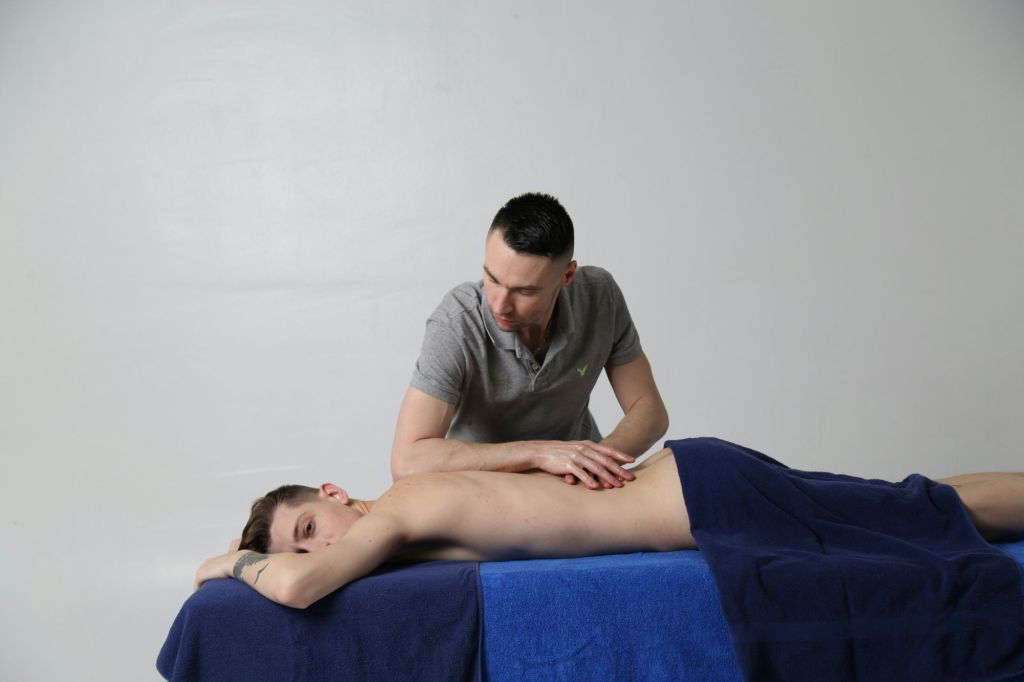
The silent burden of stroke recovery does not have to continue. Several steps can help improve outcomes for survivors:
1. Public Education
Awareness campaigns can teach Nigerians that stroke recovery requires consistent rehabilitation, not just emergency treatment.
2. Community-Based Rehabilitation
Setting up local therapy hubs where patients can access affordable care closer to home.
3. Training Caregivers
Equipping family members with simple home-based exercises (e.g., assisted walking, stretching routines) to support progress.
4. Affordable Access to Therapy Tools
NGOs, government agencies, and private initiatives can subsidize basic equipment like resistance bands, wobble boards, and parallel bars.
5. Leveraging Platforms like Hellotherapy
By bridging the gap between physiotherapists and patients, initiatives like Hellotherapy can:
Provide education through blogs, videos, and awareness campaigns.
Connect patients with professional physiotherapists.
Offer guidance on affordable home-based recovery strategies.
To conclusion,
Stroke may strike suddenly, but recovery is a long journey — one that requires patience, consistency, and professional support. In Nigeria, too many survivors suffer in silence, without access to the physiotherapy that could transform their lives. By breaking the silence, raising awareness, and investing in rehabilitation, we can help stroke survivors regain independence, dignity, and hope.
Let’s start the conversation today. Stroke recovery is possible — and every step, no matter how small, truly matters.

 Hellotherapy