
Introduction:
Avascular necrosis, also known as osteonecrosis or bone infarction, is a debilitating condition characterized by the death of bone tissue. Understanding the historical progression of avascular necrosis provides valuable insights into our current understanding and treatment options for this condition.
Ancient Origins and Early Observations:
The earliest recorded instances of avascular necrosis trace back to ancient civilizations. Ancient Egyptian papyri from around 1550 BCE mention cases resembling avascular necrosis, wherein patients experienced significant pain and inability to move affected joints.
Early Clinical Descriptions:
The first clinical descriptions of avascular necrosis emerged in the 19th century. In 1838, French physician Jean-Martin Charcot described the disease as “aseptic necrosis” and recognized its association with alcoholism (now known as alcohol-induced avascular necrosis).

However, it wasn’t until the 20th century that further advancements were made in identifying various causes and risk factors.
Advancements in Understanding Causes and Risk Factors:
In the early 20th century, researchers discovered that avascular necrosis could result from various factors beyond alcoholism. Trauma, particularly fractures and dislocations, was recognized as a leading cause. Additionally, systemic conditions such as sickle cell disease, lupus, and radiation therapy were identified as potential triggers for avascular necrosis.
Diagnostic Advancements:
Advancements in medical imaging techniques significantly improved the diagnosis of avascular necrosis. X-rays, magnetic resonance imaging (MRI), and computed tomography (CT) scans enabled physicians to detect early signs of bone damage and accurately assess the extent of avascular necrosis.

Treatment Modalities:
Over the years, treatment options for avascular necrosis have evolved. Initially, treatment focused mainly on pain management. However, understanding of the condition expanded beyond pain management, here are a few modalities that can be employed in the management of the condition:
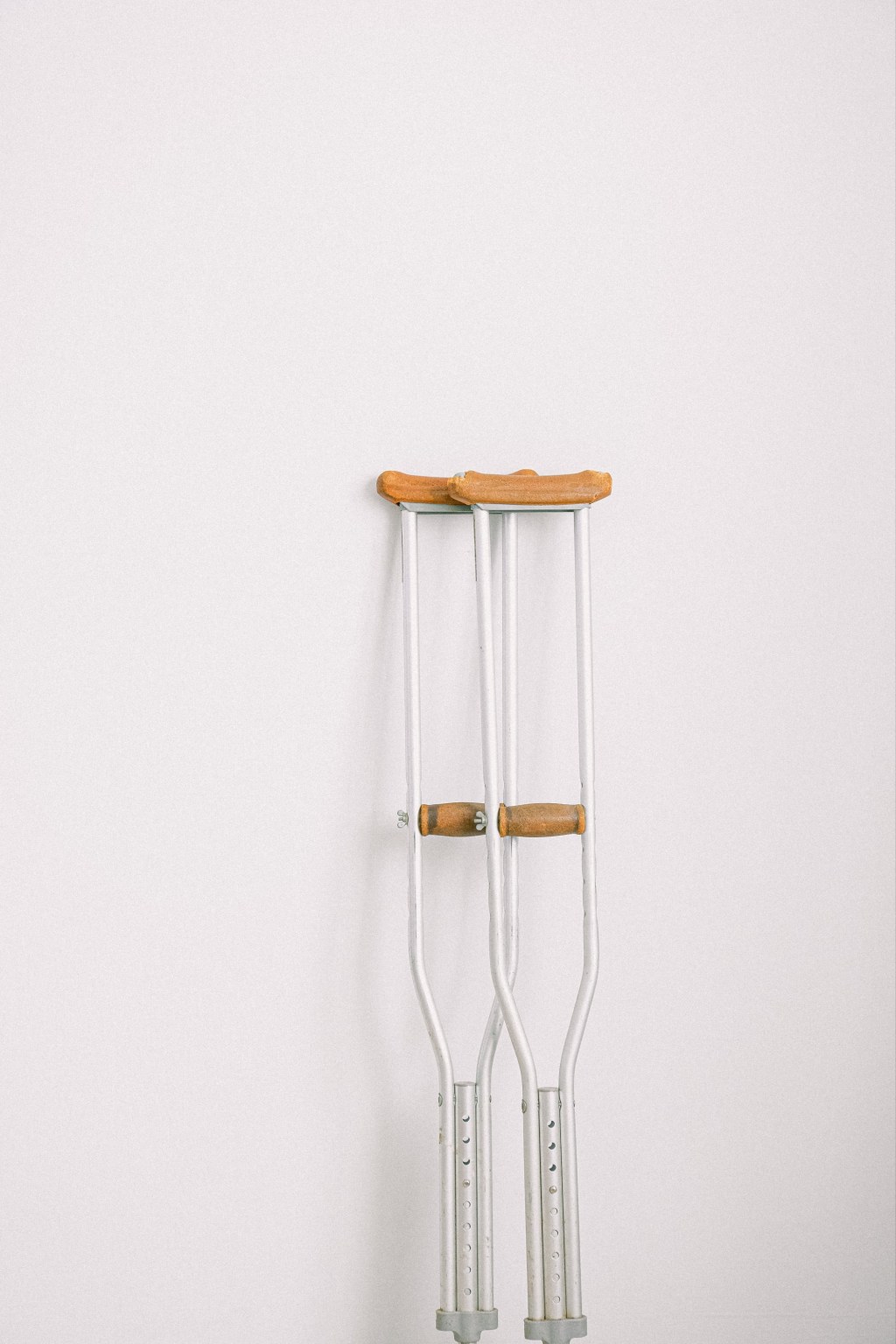
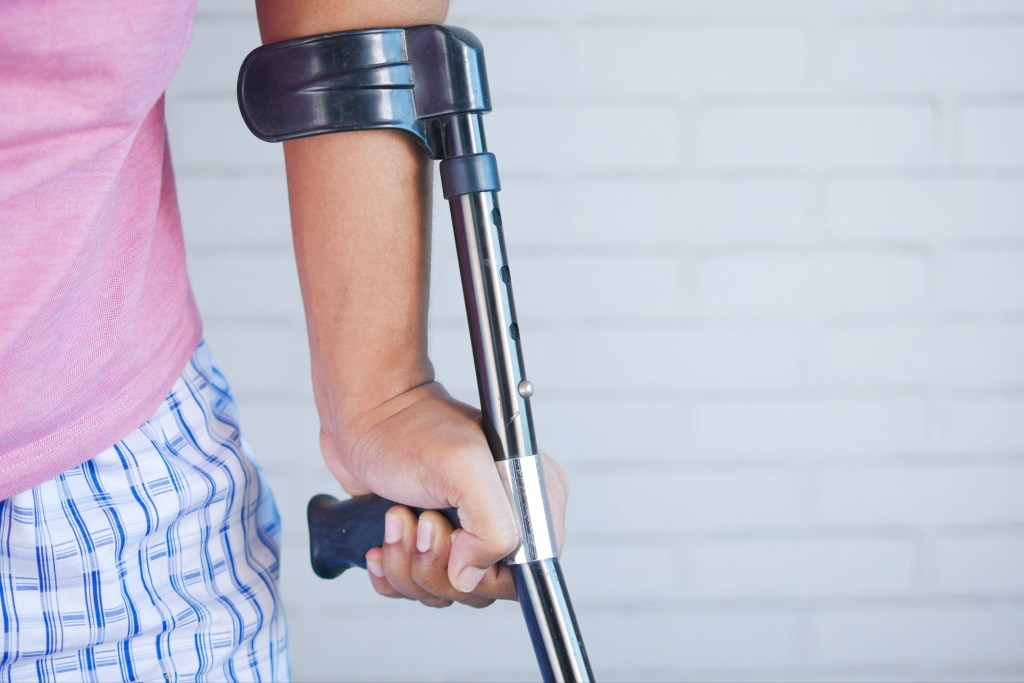
a) Conservative Management: In the early stages, AVN can be managed conservatively, focusing on reducing pain and preserving joint function. This may involve rest, pain medication, physical therapy, and the use of assistive devices like crutches or walkers to unload the affected joint. Lifestyle modifications, including weight loss and avoiding activities that aggravate symptoms, may also be recommended.
b) Medications: Non-steroidal anti-inflammatory drugs (NSAIDs) can help reduce pain and inflammation associated with AVN. Bisphosphonates and other medications may be prescribed to slow down the progression of bone degeneration.
c) Core Decompression: This surgical procedure involves drilling holes into the affected bone to relieve pressure, increase blood flow, and promote the formation of new blood vessels. It is commonly performed in the early stages of AVN, particularly in the hip joint.
d) Osteotomy: This surgical procedure involves realigning or reshaping the affected bone to reduce stress on the damaged area and improve blood supply. Osteotomy is often considered in cases where AVN affects weight-bearing joints such as the hip or knee.
e) Joint Replacement: In severe cases of AVN where joint damage is extensive, joint replacement surgery may be recommended. This involves removing the damaged joint and replacing it with an artificial joint.
Follow-up
Regular follow-up appointments with a healthcare professional are crucial in managing AVN. These appointments serve to monitor the progress of the condition, evaluate pain levels and functional abilities, and adjust the treatment plan accordingly. Diagnostic imaging, such as X-rays or magnetic resonance imaging (MRI), may be performed during follow-up visits to assess the extent of bone damage and determine the need for further interventions.
The Role of Physiotherapy
Physiotherapy plays a significant role in the management of AVN. The main goals of physiotherapy are to relieve pain, enhance joint range of motion, improve muscle strength and stability, and optimize functional abilities. Specific physiotherapy interventions may include:
a) Manual Therapy: Hands-on techniques such as joint mobilizations and soft tissue massage can help relieve pain, reduce muscle tension, and improve joint mobility.

b) Therapeutic Exercises: Tailored exercise programs are designed to strengthen the muscles around the affected joint, improve flexibility, and restore optimal movement patterns. This may include exercises for joint stability, coordination, and balance training.
c) Modalities: Heat or cold therapy, ultrasound, and electrical stimulation may be used to help alleviate pain, reduce inflammation, and promote tissue healing.
d) Assistive Devices: Depending on the severity of AVN, the physiotherapist may recommend the use of assistive devices like braces, crutches, or orthotics to provide support, reduce joint stress, and aid in mobility.
e) Education and Lifestyle Modifications: Physiotherapists also provide education on ergonomic principles, proper body mechanics, and activity modifications to prevent further joint damage and promote overall joint health.
In conclusion, the management of avascular necrosis involves a combination of treatment modalities, regular follow-up care, and the integration of physiotherapy. By utilizing these approaches, individuals with AVN can experience pain relief, improve joint function, and maintain a good quality of life.

 Hellotherapy