

The muscles responsible for moving the leg are located in the hip, thigh, and calf regions. These muscles work together to provide stability, generate force, and control movement. The major muscles involved in leg movement include:
1. Hip Flexors: The hip flexors are a group of muscles located in the front of the hip joint. They include the iliopsoas muscle (comprised of the iliacus and psoas major muscles) and the rectus femoris muscle. These muscles allow for hip flexion, where the thigh moves closer to the abdomen.
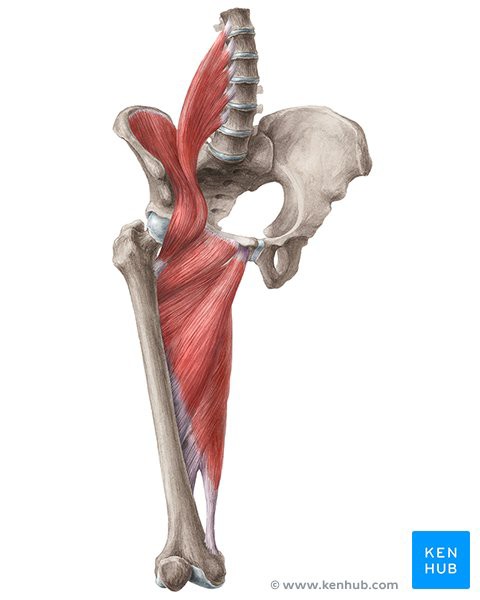
2. Quadriceps: The quadriceps femoris muscle group is located in the front of the thigh and consists of four muscles: the rectus femoris, vastus lateralis, vastus medialis, and vastus intermedius. These muscles work together to extend the knee and are involved in actions like running, walking, and jumping.
3. Hamstrings: The hamstrings are a group of muscles located on the back of the thigh. They include the biceps femoris, semitendinosus, and semimembranosus muscles. The hamstrings are responsible for hip extension and knee flexion, enabling movements like walking, running, and bending the knee.
4. Gluteal Muscles: The gluteal muscles include the gluteus maximus, gluteus medius, and gluteus minimus. These muscles are located in the buttocks and are responsible for hip extension, abduction, and rotation.
5. Adductors: The adductor muscles are located on the inner side of the thigh and include the adductor longus, adductor brevis, adductor magnus, pectineus, and gracilis muscles. They are responsible for adduction of the hip, bringing the leg closer to the midline.
6. Gastrocnemius and Soleus: These calf muscles are located at the back of the lower leg. The gastrocnemius muscle is responsible for plantarflexion, where the foot points downwards, while the soleus muscle assists in this action and helps maintain stability.
The leg muscles play a vital role in enabling us to perform various daily activities like walking, running, jumping, and maintaining balance. However, these powerful muscles are not invulnerable to injuries. Understanding the etiology, pathology, retraining, and physiotherapy interventions related to leg muscle injuries can help individuals prevent, manage, and recover from such conditions effectively.
Etiology of Leg Muscle Injuries:
Leg muscle injuries can occur due to several factors, including inadequate warm-up before physical activity, overuse, direct trauma, muscle imbalances, sudden acceleration or deceleration, and genetic predispositions. Athletes, especially those involved in sports requiring repetitive leg movements, are at a higher risk of developing muscle injuries. Muscles commonly affected include the quadriceps, hamstrings, calf muscles, and hip flexors.
Pathology of Leg Muscle Injuries:
Muscle injuries can range from mild strains to severe tears. A strain occurs when muscle fibers are stretched or torn, often resulting in pain, swelling, and limited range of motion. On the other hand, a tear occurs when there is a complete rupture of muscle fibers, causing severe pain, loss of function, and sometimes a visible defect in the muscle belly.
Retraining After Leg Muscle Injury:
Proper rehabilitation and retraining are crucial for successful recovery after a leg muscle injury. The primary goals of retraining are to regain strength, flexibility, endurance, coordination, and proprioception. Gradual progression is essential to prevent reinjury. Rehabilitation programs are tailored to the specific muscle involved and can range from simple exercises to advanced functional activities, depending on the severity of the injury. Early intervention significantly improves outcomes and prevents long-term muscle imbalances or compensatory movements.
Physiotherapy Interventions for Leg Muscle Injuries:
Physiotherapy plays a vital role in the recovery process. A qualified physiotherapist assesses the injury, designs an individualized treatment plan, and monitors the progress closely. Common physiotherapy interventions for leg muscle injuries include:
- R.I.C.E. (Rest, Ice, Compression, and Elevation): This initial therapy aims to control pain and swelling immediately after the injury occurs.
- Manual Therapy: Hands-on techniques, such as massage, stretching, and joint mobilizations, can help reduce pain, increase flexibility, and improve muscle recovery.
- Rehabilitation Exercises: Specific exercises are prescribed to improve strength, flexibility, and coordination of the affected muscles. These exercises may include stretching, resistance training, balance training, and functional movements.
- Electrical Modalities: Techniques like ultrasound, electrical muscle stimulation, and heat therapy can be used to reduce pain, accelerate tissue healing, and promote muscle relaxation.
- Sport-Specific Training: In sports-related injuries, a tailored rehabilitation program aiming to replicate the demands of the specific sport is designed to ensure a safe return to play.
Conclusion:
Understanding the etiology, pathology, retraining, and physiotherapy interventions related to leg muscle injuries is crucial for both prevention and effective management. Prompt recognition of injuries and seeking appropriate professional help is essential to minimize long-term complications and optimize recovery. Physiotherapy, when integrated into a comprehensive treatment plan, significantly aids in a successful return to normal function and sports activities, thereby improving quality of life for individuals with leg muscle injuries.

 Hellotherapy