
Exploring the Characteristics, Triggers, and Management Approaches for Each Type
Introduction: Eczema, also known as atopic dermatitis, is a chronic skin condition affecting millions worldwide. It is characterized by dry, itchy, and inflamed skin, often accompanied by redness, swelling, and the formation of blisters or scaly patches. Eczema can be a source of discomfort and frustration, but with proper understanding and management, individuals can find relief and improve their quality of life. In this article, we will delve into the causes, symptoms, and effective strategies for managing eczema.
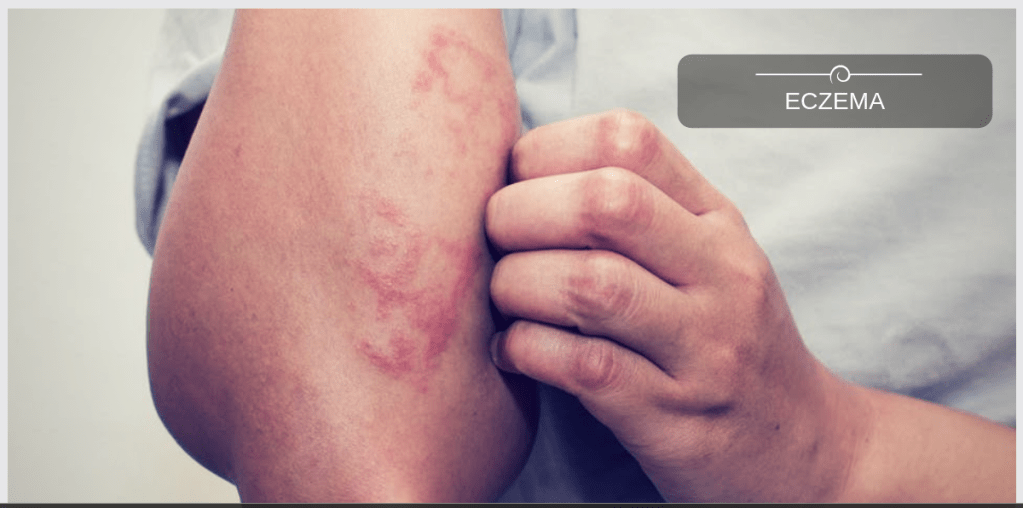
Causes: The exact cause of eczema is unknown, but it is believed to be a combination of genetic and environmental factors. People with a family history of allergies or asthma are more prone to developing eczema. Additionally, certain triggers can exacerbate the condition, such as:
- Allergens: Common triggers include pollen, pet dander, dust mites, and certain foods.
- Irritants: Harsh soaps, detergents, chemicals, and fabrics can irritate the skin and trigger eczema flare-ups.
- Climate: Extreme temperatures, low humidity, and exposure to dry air can worsen symptoms.
- Stress: Emotional stress and anxiety can contribute to eczema flare-ups.
Symptoms: Eczema symptoms can vary from person to person and may appear differently depending on the age of the individual. Infants often develop eczema on their cheeks, scalp, or extremities, while older children and adults typically experience symptoms in the creases of the elbows, behind the knees, and on the hands and feet. Common symptoms include:
- Intense itching: The most common symptom of eczema is itching, which can lead to scratching and further aggravate the condition.
- Dry and sensitive skin: Eczema causes the skin to become dry, scaly, and prone to cracking.
- Inflammation: Redness, swelling, and the appearance of small fluid-filled blisters or crusty patches are common signs of eczema.
- Thickened skin: With prolonged eczema, the affected skin can become thickened, rough, and leathery.
Management and Treatment: While there is no cure for eczema, various strategies can effectively manage and reduce its symptoms. It is important to work closely with a healthcare professional to develop an individualized treatment plan. Here are some commonly recommended approaches:
- Moisturize: Regularly applying fragrance-free moisturizers helps to keep the skin hydrated, preventing dryness and reducing the risk of flare-ups.
- Identify and avoid triggers: It is essential to identify and avoid potential triggers that worsen symptoms. This may include certain fabrics, detergents, or allergens.
- Gentle skincare routine: Using mild, unscented cleansers and avoiding hot water during bathing can help prevent skin irritation.
- Topical corticosteroids: In cases of moderate to severe eczema, doctors may prescribe topical corticosteroids to reduce inflammation and itching.
- Antihistamines: Oral antihistamines can be recommended to help relieve itching and promote better sleep.
- Wet wrap therapy: This technique involves applying moisturizers and wrapping the affected areas with damp clothing to enhance moisturization and alleviate symptoms.
- Stress management: Since stress can trigger eczema flare-ups, adopting stress-reduction techniques such as yoga, meditation, or counseling may be beneficial.
Physiotherapy can be an effective treatment for eczema. It can help reduce the symptoms of eczema and improve the quality of life of people living with the condition. Physiotherapy can help manage eczema by:
- Reducing inflammation: Physiotherapy can help reduce inflammation in the skin by using techniques such as massage, stretching, and exercise. These techniques can help improve blood flow to the affected area and reduce swelling.
- Improving skin hydration: Physiotherapists can recommend emollients and moisturizers that can help improve skin hydration. This can help reduce itching and dryness associated with eczema.
- Reducing stress: Stress can trigger eczema flare-ups. Physiotherapists can teach relaxation techniques such as deep breathing exercises and meditation to help reduce stress levels.
- Improving sleep: Eczema can cause sleep disturbances due to itching and discomfort. Physiotherapists can recommend sleep hygiene techniques such as establishing a regular sleep routine and avoiding caffeine before bedtime.
Physiotherapy is often used in combination with other treatments such as topical creams and medications. It is important to consult a healthcare professional before starting any new treatment for eczema.
I hope this helps! Let me know if you have any other questions.
References:
(1) Eczema: the Role of the Practice Pharmacist – Medscape UK. https://www.medscape.co.uk/viewarticle/eczema-role-practice-pharmacist-2022a10014p2.
(2) Guidelines for the Management of Atopic Dermatitis in Singapore. https://annals.edu.sg/pdf/45VolNo10Oct2016/MemberOnly/V45N10p439.pdf.
(3) Eczema – an overview | ScienceDirect Topics. https://www.sciencedirect.com/topics/medicine-and-dentistry/eczema.
(4) Guidelines for the management of adult eczema | DermNet. https://dermnetnz.org/topics/guidelines-for-the-treatment-of-adult-eczema.
(5) Eczema and its Management – National Eczema Society. https://eczema.org/wp-content/uploads/Healthcare-Professionals-Guide-June-2018.pdf.
(6) Treatment of atopic dermatitis (eczema) – UpToDate. https://www.uptodate.com/contents/treatment-of-atopic-dermatitis-eczema.

 Hellotherapy