
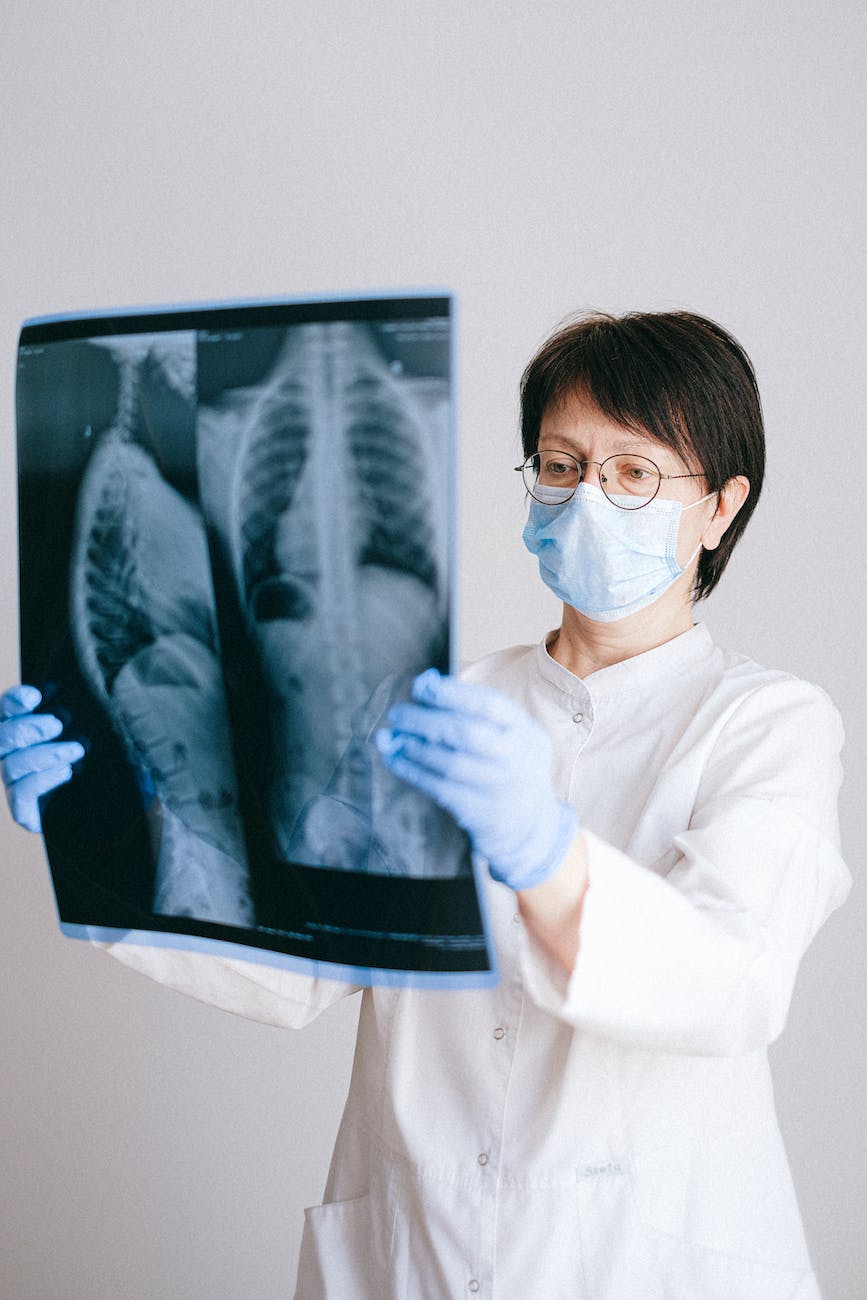
Acute bronchiolitis is a common respiratory illness that affects young children, particularly those under the age of two years. It is caused by a viral infection that affects the small airways in the lungs, leading to inflammation and obstruction of the air passages. The symptoms of acute bronchiolitis include cough, wheezing, difficulty breathing, and fever, and can be quite severe in some cases. While the condition usually resolves on its own within a week or two, in some cases, hospitalization may be required to manage the symptoms.
One potential treatment for acute bronchiolitis in young children is chest physiotherapy. This form of therapy involves a range of techniques that are designed to help clear mucus and other secretions from the lungs, making it easier for the child to breathe. There is some evidence to suggest that chest physiotherapy may be effective in improving the severity of acute bronchiolitis in children under two years of age.
One type of chest physiotherapy that has been studied extensively in the context of acute bronchiolitis is slow expiratory techniques. This approach involves encouraging the child to exhale slowly and deeply, using techniques such as pursed-lip breathing or blowing out candles. The idea behind this approach is that slow, deep exhalation can help to mobilize secretions and improve lung function.
Several studies have investigated the effectiveness of slow expiratory techniques in children with acute bronchiolitis. One systematic review of the available evidence, published in the Cochrane Library in 2016, found that slow expiratory techniques may be effective in reducing the severity of the illness and the need for hospitalization. The review analyzed data from nine randomized controlled trials involving a total of 747 children under the age of two years.
Another study, published in the journal Respiratory Care in 2018, compared slow expiratory techniques with standard care in a group of children with moderate to severe acute bronchiolitis. The study found that the children who received chest physiotherapy had significantly lower scores on a clinical severity scale compared to those who received standard care alone. They also had shorter hospital stays and were less likely to require oxygen therapy.

It is important to note that while chest physiotherapy may be effective in reducing the severity of acute bronchiolitis in some children, it is not appropriate for all cases. The decision to use chest physiotherapy should be made on a case-by-case basis, taking into account the child’s individual needs and circumstances. In addition, chest physiotherapy should only be performed by a trained healthcare professional, as improper technique can be harmful.
Chest physiotherapy based on slow expiratory techniques may be an effective treatment option for infants with moderately severe acute bronchiolitis. While further research is needed to confirm these findings and determine the optimal approach to chest physiotherapy in this population, the available evidence suggests that it may be a valuable tool in the management of this common respiratory illness.

 Hellotherapy